



 Loading...
A few months after we were married, Jeff and I began attending Church of the Epiphany, Episcopal. The church is a modern design with the brick walls visible in the sanctuary. There is a slant to the floor, not quite like stadium seating, but enough that people can see around one another. The pews are in a semi-circle, and the altar area is clean. There was, at that time, carpet at the altar, but bare pebbled floors everywhere else. The walls were bare, and the windows clear.
The design was very different to the churches we grew up with and the church we attended during college. But the sense of the holy was very present. We could feel the power of God, learn and know that Jesus was our companion, and recognize the breath of the Holy Spirit in our midst.
At some point in our nearly 30 years there, one of our former parishioners painted her impression of Creation. This brightly colored, slightly abstract, set of paintings were hung in the sanctuary, surrounding the congregation on all the walls without windows. These paintings seemed to create the impression of stained-glass windows in a space that was vacant of color. A few years later, in the windows above the entrance to the sanctuary, someone created a stained-glass rainbow over the waters for everyone to walk below upon entering or exiting the worship space.
Occasionally, we would hear the story, as we did today, of Creation. Rather than read along with the lector, I would try to look from painting to painting at the artist’s version of the story from my perch in the choir loft.
It always surprised me when I would see something new in the paintings. We had them up all year, except for Lent, so I had ample time to look at them, but sometimes I would see something I had missed. You might know the feeling…you see something so regularly, become accustomed to it, and then one day, you see it in a new or unexpected way.
I love this series of paintings. I loved being surrounded by the images of what those first days, or centuries, might have looked like. I loved feeling like I was a part of that story, of creation, of God’s desire to make something so vast and beautiful.
In the beginning…that’s how our scripture starts. Whether we believe that God created this cosmos literally in six days, or if we believe that creation developed over centuries, I think most of us believe that something so miraculous, so beautiful, so full of whimsy, could only have been designed by something much, much bigger than any one of us.
Every culture around the world has some sort of “in the beginning” creation story, and most of them sound very similar to the one we find in Genesis. What is unique about our story is that there are two stories. Somewhere along the line of oral tradition, the people who put the Hebrew Bible together decided that maybe they should tell the story in two ways. Check out the second chapter sometime to read the second way humans were created. It’s fascinating.
As humans, we are always learning about creation. Often, we hear about how some things become extinct or are invasive. Every once in a while, we hear about discoveries. Sometimes what we thought was gone forever is rediscovered. Other times we learn of creatures that have never been seen before.
Just this week I learned about the discovery of a tiny blue octopus[1] in the Galapagos Island, and a Hairy Ghost Pipe Fish in the Indo-Pacific, no bigger than a golf tee, lovingly called the Snuffleupagus fish[2], yes, named after a favorite Sesame Street character, because, yes, it looks a lot like him! (If you are curious about these creatures, look for this sermon text on our website and click on my footnote links.)
We simply do not know the extent of God’s creation, and I am so thankful there are people who want to go to the depths of the sea, into the heart of the rainforest, to spend time digging in the dirt or peering into a microscope or even rocketing into the solar system to explore what God put on this fragile earth, our island home, and in the vast expanse of interstellar space.
And we are a part of it all! We are each a part of the interconnectedness of creation. How we live our lives, the ways in which we experience the biodiversity and ecology around us matters to this place in this time. Unless we explore the diverse parts of the world, we will never know how different trees, plants, animals, dirt, and so much more that make up this place we call home.
In the beginning, God created. On the sixth day, after everything humans needed to survive had been created, God creates humanity. As a part of our creation, we are told to take care of all of it. God tells us that everything that has been created is for us to learn about, survive with, and care for.
The writers of this first book in the Hebrew Bible place humans in positions of dominion over the earth, projecting the idea that we are to subdue creation, bending it to serve us instead of recognizing the interconnectedness, the importance of being in relationship with creation. We need each other for this world to work. We need researchers, explorers if you will, of the sea, the land, the sky to teach us why and how and where creation is being harmed or killed, or where it is thriving and what it means to the whole of creation.
We need, as people of faith, as people who believe in the holiness of creation, to pay attention to what God has given us. To not squander it, to recognize it, to treat it with respect and wonder.
The fireflies are emerging now, sprinkling our yards with tiny flashes of life, illuminating their place in this world, reminding us that even the tiniest spark of natural light is a gift from God.
Baby birds are breaking through their shells as the next generation of so many species, eating a variety of seeds, nuts, and insects, reminding us that we all start tiny, fledging, learning to live, to survive, in what can sometimes be a harsh environment, and that as we do so, we are supported by all that God created.
Seeds are pushing through the earth to supply our need for fresh foods, gardens are beginning to burst with blooms that will yield fruits and vegetables enough to provide us with nutrients and sustenance, and sometimes zucchini bread, because God ensured that every plant yielding seed will sustain us.
We are surrounded by the beauty of life cycles, where trees sprout, grow, and ultimately die to build up the soil and nutrients for the next generations of trees, mushrooms, and mosses to feed and protect critters and insects we may never see, but that creates balance in our forests.
In our busy lives it is easy to take all this for granted. Yet our holy scripture begins with the beginning of life, reminding us that we are here because our Creator God built this place for us to thrive. We are given all our senses to experience the broadness of God’s love for all of creation.
God made humanity to take care of creation, to one day find the whimsy of blue octopuses and Snuffalupagus fish, to learn about our interconnectedness, our need for one another, even if that is only with wonder and curiosity as we explore this creation.
What a gift we have been given, to be alive at a time when creation continues to surprise us, to support our needs, and to need us.
This fragile earth, our island home. A loving gift to each of us from our loving, life-giving God.
Amen.
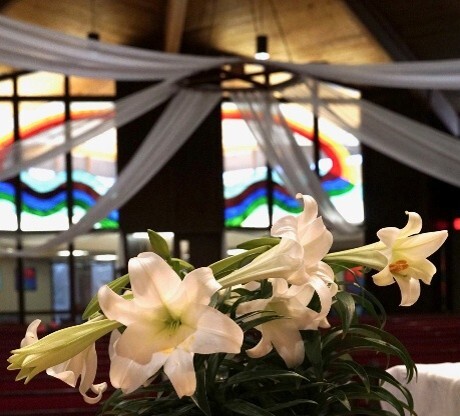
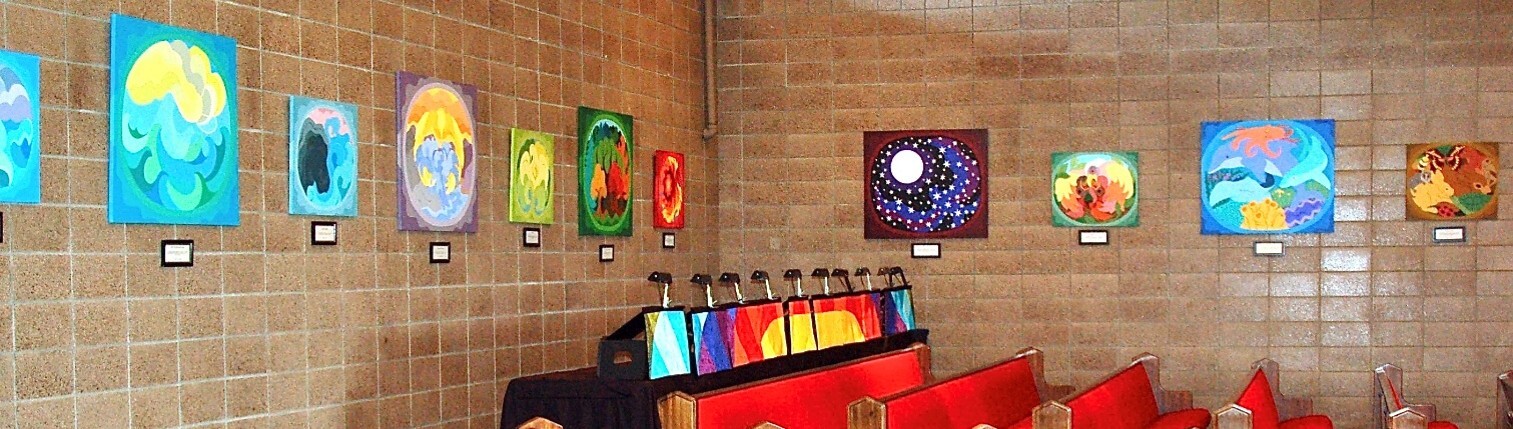
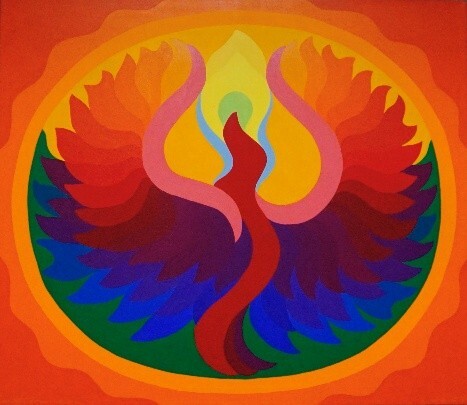

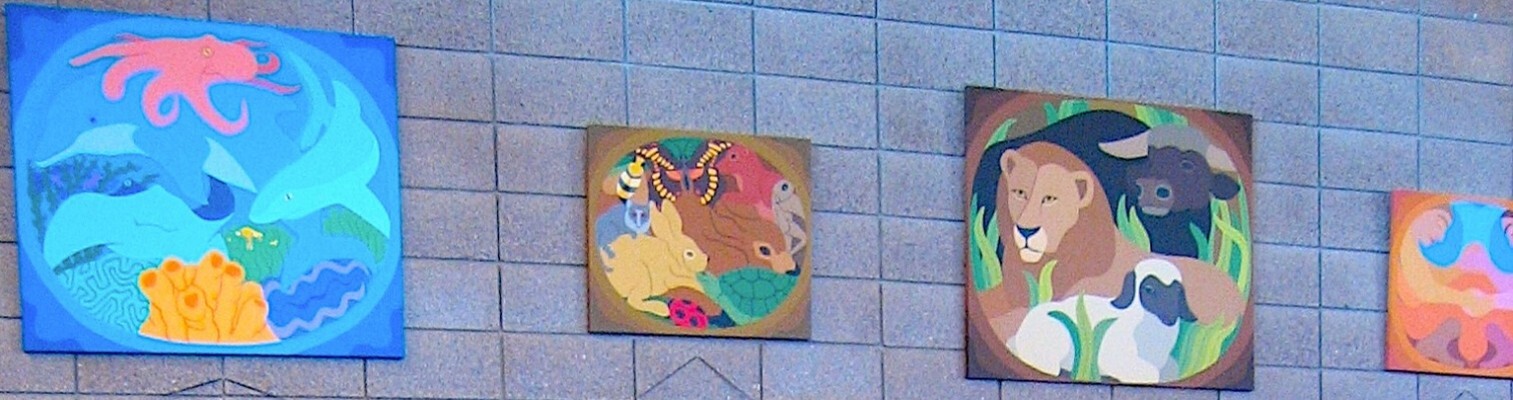
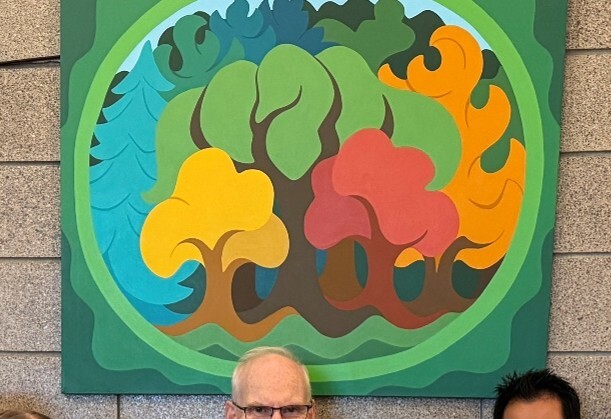
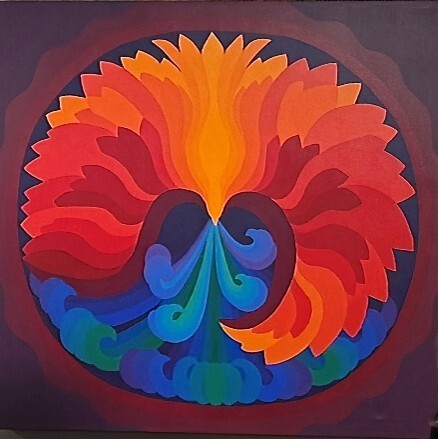
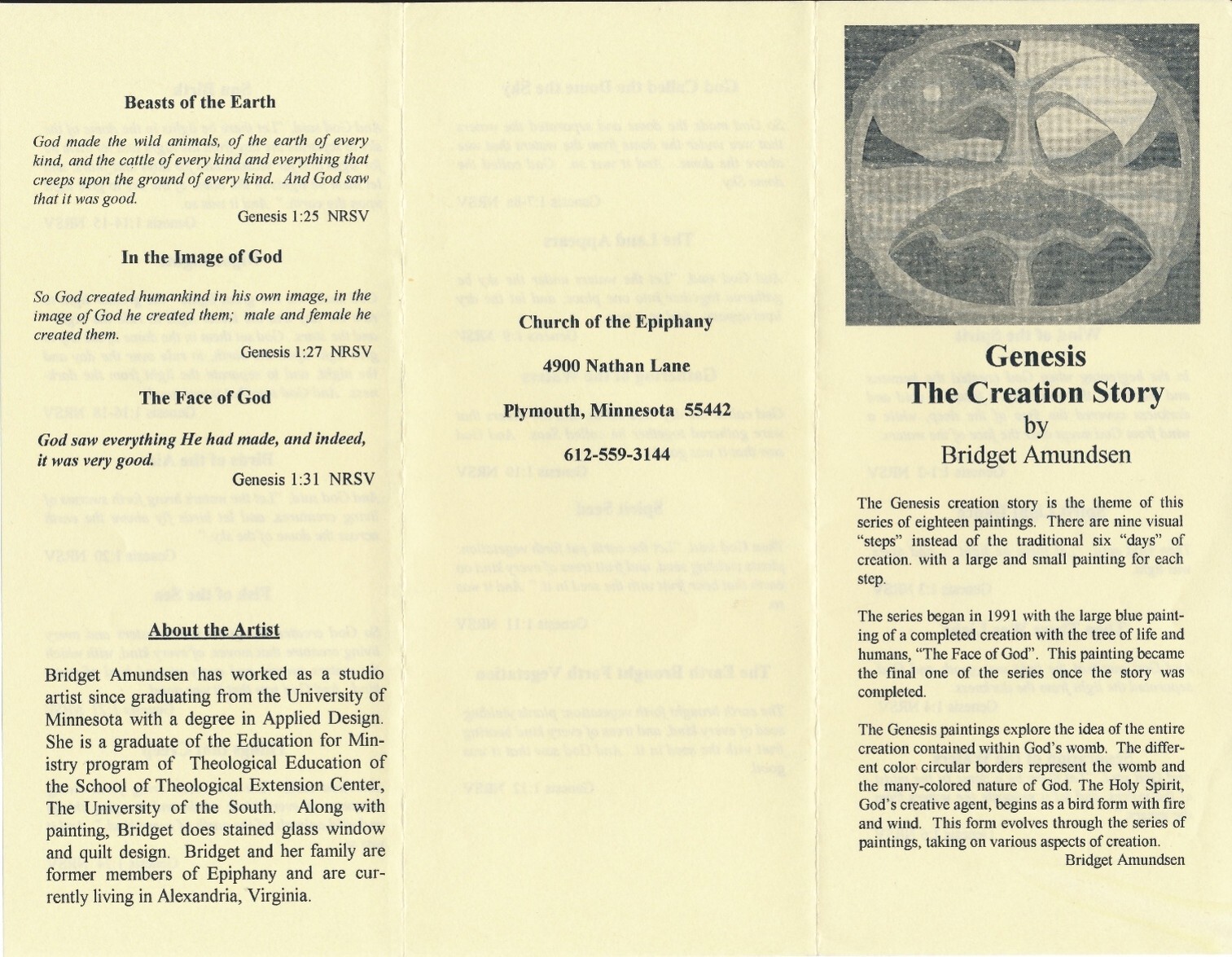
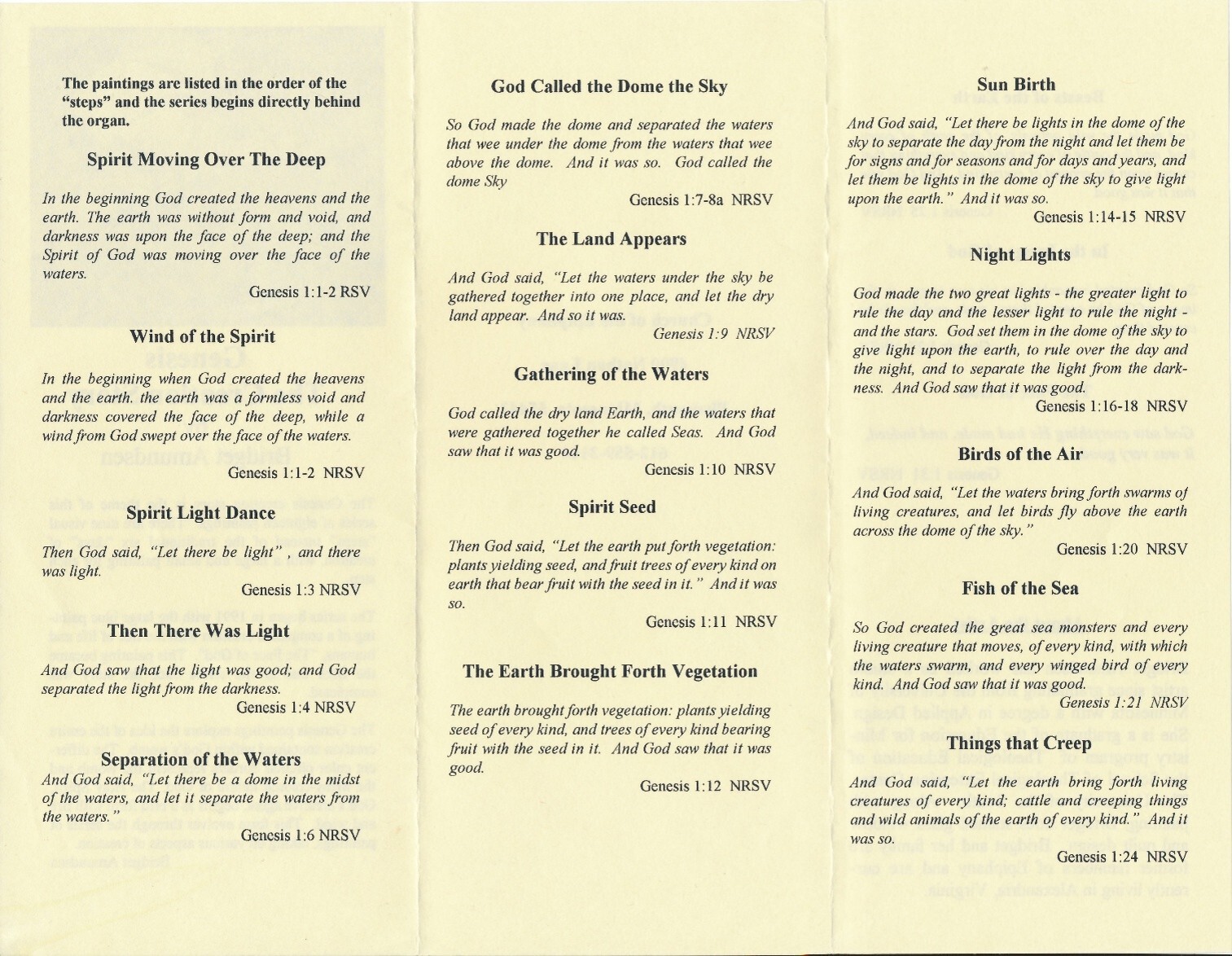
Photos courtesy of Mary Ruth Manthey
[1] https://www.cnn.com/2026/05/27/science/tiny-blue-octopus-species
[2] https://www.nationalgeographic.com/animals/article/snuffleupagus-fish