




 Loading...
There is a question leaders are obliged to ask, “What does success look like?” When undertaking anything, a project, an event, or even a meeting, everyone comes to the table for a reason --- maybe it’s to accomplish a project, plan an event, or make decisions together.
Sports team walk on to a football field answering the success question with “Win!” Goals can be small and immediate or long ranging and complex. Sometimes success can only be described objectively such as “mission accomplished” --- OR --- maybe, just maybe, success can be described qualitatively such as “this mission is excellent and we love it. We love it so much we want to do it again!”
When you are a leader you ask yourself your guiding question before during and after you are in the process of whatever you undertake. The question generates energy for an incremental process of evaluation which can add momentum to one’s hopes.
When I read Luke’s story about the Presentation of Jesus in the Temple I have to ask a leader’s guiding question, “What was Simeon coming to the table for?” Specifically, I get hooked on what it means to be looking forward to the consolation of Israel. The consolation. What does consolation look like when it is successful? 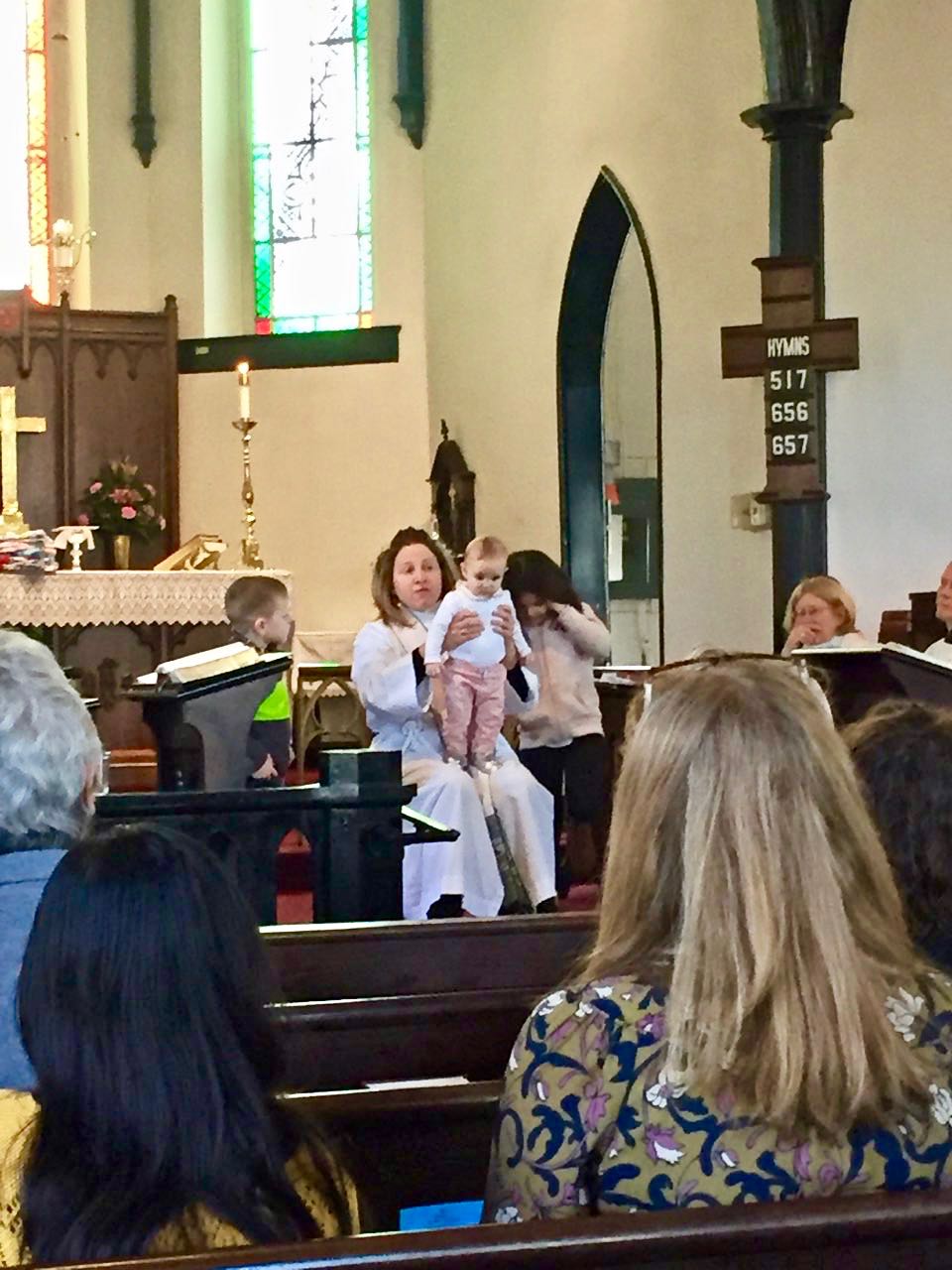 Success looks like a baby! But how is a baby a consolation
Simeon describes baby Jesus as a Light to the Gentiles and as Glory to Israel.
A baby??? Can a baby be a light and a glory?? Look at how a baby face can light up an entire room!
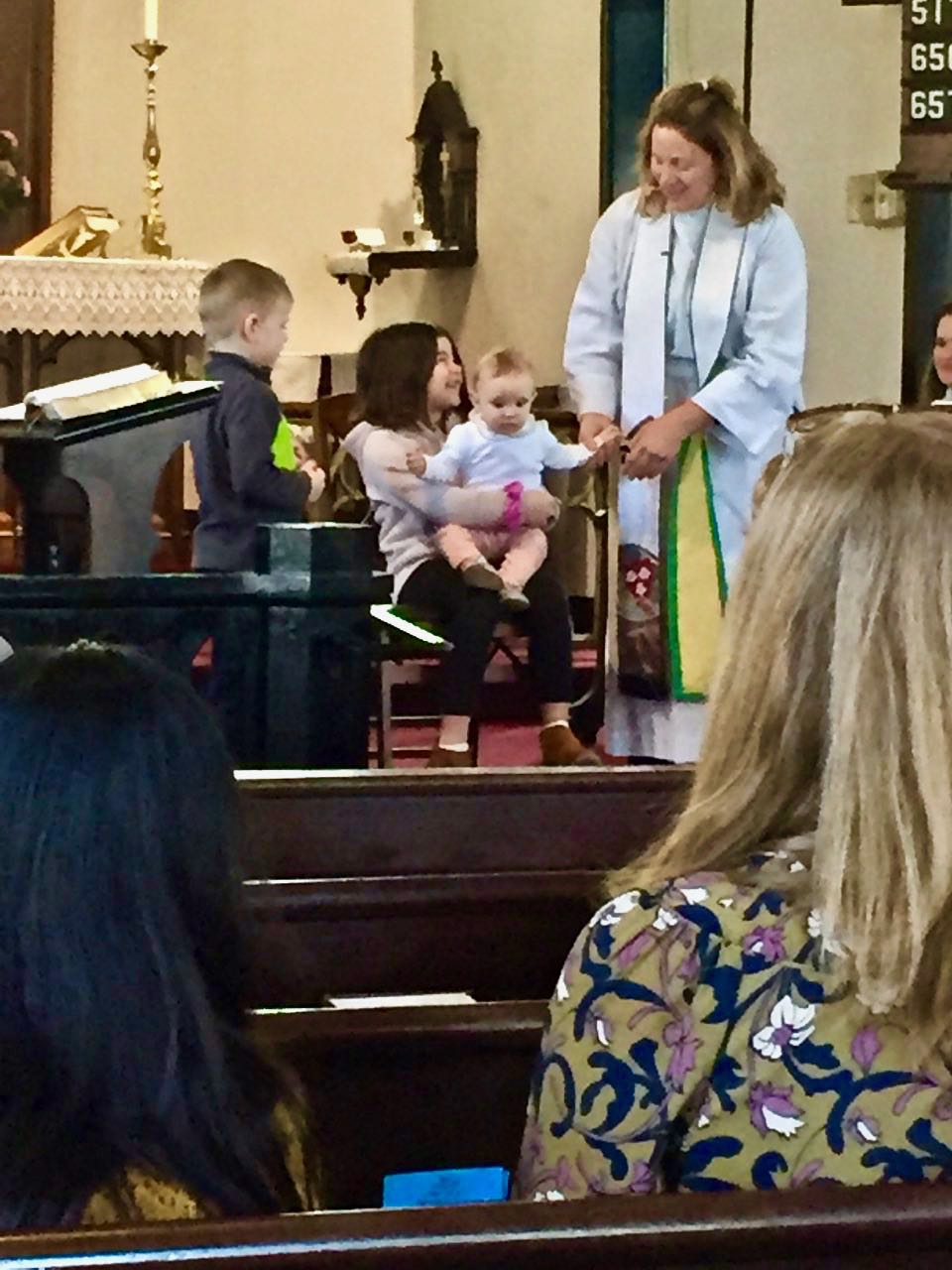
The word consolation means comfort to those who have been disappointed or suffered. I have indeed found consolation whenever I pick up a little baby --- I instantly forget anything I was fretting about.
 I don’t know exactly what all went on in Simeon’s long life, but I do know what happened in the long life of Simeon’s nation, how Simeon’s national identity was considered identical to his own identity. Whatever Simeon anticipated about baby Jesus, he believed was going to happen to specific people and to the nation of Israel together. And the nation of Israel was in sore need of comfort.
Luke also introduces Jesus to Anna who is praising God as if God’s mission has been accomplished already. Her mission is to spend a life in worship and she is fulfilling her mission in Luke’s story. Anna doesn’t use the word consolation when she meets Jesus --- she uses the word redemption --- an electric word. Redemption means being saved from something terrible like sin. Redemption can also mean the clearing of a debt. I can imagine her rousing the crowd and stirring up rumors that might sound like the kind of rumors that are spoken where people have thought about a revolution but haven’t said so out loud.
Was Anna coming to the table for reasons that would influence the way people consequently behaved toward King Herod or Ponitius Pilate?
Did her blabbering catch the ear of anyone important?
Or did her words spread, like words do, maybe even all the way from Jerusalem to Capernaum….maybe even to the ears of people like Mr. and Mrs. Zebedee who were raising their sons James and John.
What if the parents of Andrew and Simon hear about what Anna was saying while they watched their two young sons splashing in the waves at the Sea of Galilee.
Somewhere, someone needed to hear consolation. Somewhere, someone needed to hear redemption. And in all cases, God the Father wants everyone to hear about this baby, his Son, who is bringing people to God’s table for God’s reason: Salvation.
What word leads you towards God? What reason do you come to God’s table: success, consolation, redemption? What word guides you towards fulfilling your purpose in God’s life? I often speculate what words guide Jesus while he fulfills his heavenly Father’s mission. If I had to pick, I pick fidelity. If Jesus is guided towards success by one question it must be “Am I being faithful to my Father?”
What does fidelity look like? A man who fulfills the mission his heavenly Father gives him despite the cost of his own life. When all others forsake him, Jesus stays true to the one thing God defines as success: Love.