




 Loading...
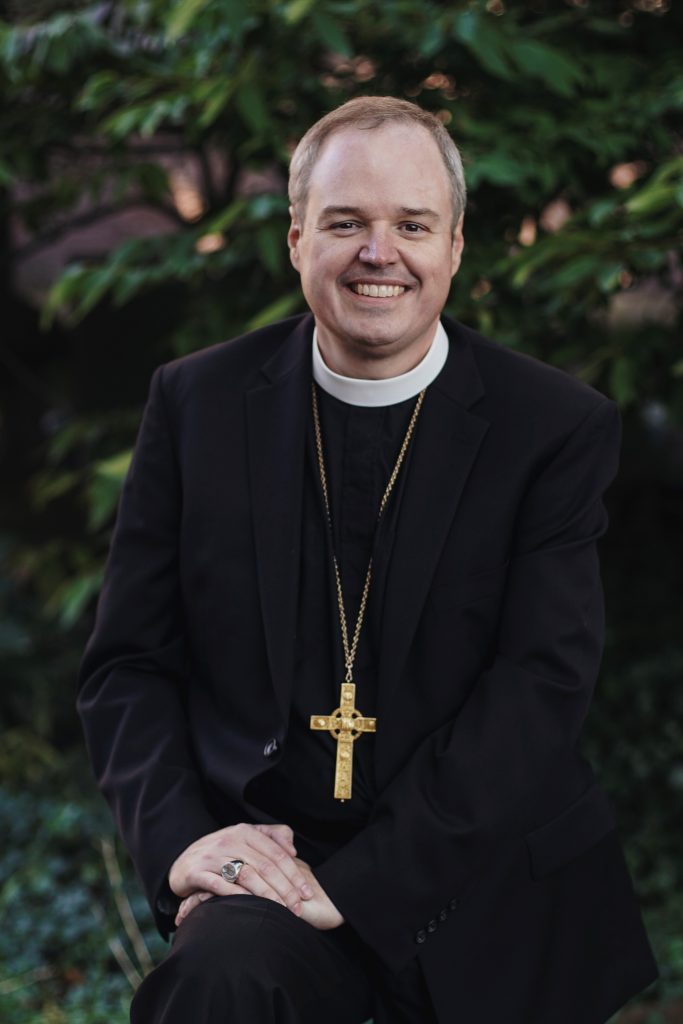
On Friday, a priest in our diocese shared an article from Religion News Service about a diocese in New York. I shared that article on my own Facebook page, because I felt it was a compelling commentary on the state of the Episcopal Church. This opinion piece, entitled The Episcopal Church is a story of renewal, not decline, is written by the Bishop of New York, Matthew Heyd.[1]
I was interested because there is a sense of fear knowing our denomination is shrinking. Shrinking so much that there are predictions on just how much longer we can survive.
Even here at St. James’ there is a sense of fear that this beloved place, with all our vibrant, active ministries and worship, will disappear in our lifetimes.
I simply do not believe that will happen. Let me tell you why.
You love this place, these people, our community, and you find comfort in the depth of our worship, music, and prayers. I believe that you have the tools and gifts within you to tell your story about your love for God, and your active, living belief in our tagline: Loving People. Serving People.
I believe each of you has so much to say about how God has impacted your life, and how St. James’ has helped you develop the depth of your love for God and God’s creation. Not necessarily because of who is in the Rector’s chair, (not that doesn’t impact your experience) but because of the lives you share with one another and your commitment to each other brightly shine.
And I believe you have room for more people in your life here, to welcome friends, acquaintances, and family into the vibrant life you are living in this community.
One of you recently reminded me of something that I think is worth sharing here. They had been told, “Every time a new person comes into any congregation, the culture changes.” I agree, and I added “Every time someone leaves, by choice, by death, for any number of reasons, the congregation also changes.”
I’m sure many of us have heard the quote that there is nothing more constant in life than change. We get to choose how we respond to change.
The article I read, along with one of the articles suggested within the first, called, 'A lie from the pit of hell': Episcopal leaders push back on rumors of fatal decline[2] each reminded me that we have to make changes, at the big “C” Church level, from the seat of the Presiding Bishop and his staff, from the House of Bishops, and Standing Committees, Dioceses, congregations, and even at the individual levels. How we choose to embrace change will be integral to who we will become.
This is part of what the Visioning process is all about. It is our opportunity to really look at what is going well, who is involved, and why 92% of those who answered the survey earlier this year said they would recommend St. James’ to others. That represents an overwhelming desire for St. James’ to grow.
Change is necessary for the church to grow.
Through our lesson from Genesis and our Gospel reading in Matthew, we heard how change has always been a part of stories of faith. But the reality is, change can be hard and can lead to discontent and frustration. We can struggle to get along when we feel uncomfortable growing pains that come with change.
Scripture addresses that, too. Maybe you, like me, will find comfort in the hope found in the first line from our Psalm:
Oh, how good and pleasant it is, when brethren live together in unity! (133:1)
In another conversation I was reminded that this is exactly what many of us hope to accomplish: To be in unity, to get along, to be kind to one another, because that feels more like what it means to live in God’s Beloved Community.
But getting to that place is complex. We have billions of people on this earth with billions of personalities trying to get along. We have individual goals and desires, belief systems and experiences. We can be very clingy to our individualism. So much so that we sometimes forget that we need each other to survive, because we need the diversity of thought, feelings, experiences, gifts, and talents to make sure society functions.
When Joseph reveals himself to his brothers in today’s lesson from Genesis, he focuses on the positive results of his experience from the previous 20 or so years. He could have shamed and blamed his brothers for putting him in that hole and then selling him into slavery, leading him to be imprisoned. Instead, he looked at what was accomplished in those years leading up to his reunion with his family.
Joseph focused on what was good, even though it took a lot of bad to get to this point. He said that this was God’s plan, that ultimately, these years made it possible to protect his family and to provide them with what they would need to ensure their lineage would continue.
He was vulnerable, emotional, and honest with his family as he described how he understood his life’s purpose. The changes he helped make would be meaningful and life-giving to his family—even, and notably, those in his family who abandoned him.
And let’s not forget Jesus when we talk about change-makers.
It seems to me that Jesus lived his life as an agent of change. He helped to change the world, reminding us that God comes first, and that loving God and loving one another as God loves us is the ultimate goal to create the Beloved Community: a community that is peaceful, hopeful, joyful, and loving, remembering that every person is valued and loved by their Creator.
Jesus was not afraid to push back at the religious leaders about strict rules that really weren’t all that important to the ultimate goals. That sometimes, placing focus on things like the ritual cleaning of hands is less important than showing care and love by feeding the hungry.
When you think about our story from a couple of weeks ago, when the disciples were feeding the thousands gathered with bread and fish, do you think all those people paused to wash their hands, or were they thankful to be fed? What was more important?
Prioritizing all the ways we strive for justice and peace and respecting the dignity of our fellow human beings, is what being Jesus Followers is all about. How we treat one another does matter. The way we express love does matter.
So, when Jesus seems to go off script on these basic tenants as he does in today’s Gospel, when he ignores the woman begging for his help because she isn’t part of the community of people Jesus thought he needed to reach, and he even calls her a dog, it makes us wonder what he’s trying to do here.
There is so much speculation about his behavior and about why he would say what he said. Let’s be honest. This is a very ugly story. That it is a story told in two of the Gospels means, however, that it is important. Why?
Most commentators believe this was a pivotal moment in Jesus’s understanding of his purpose. It is through this encounter that he realizes he is not only on this earth to return the lost Israelites, the Jews, to a deeper relationship with God, he is here to teach anyone from anywhere with any belief system that they, too, are beloved by God, and that they matter, because God created them in God’s image, too.
This is often considered the moment Jesus changed his mind.
Some people like to say that God is unchangeable, and that may be true, especially if we believe that it is God’s desire that people are to love God first, and to love one another.
Yet God provides opportunities for humans, like Joseph, like Jesus in today’s Gospel, like us, to change. Because contexts change. Situations change. Circumstances change. And over the course of time, all those changes have helped humans survive.
As Christians, it means we change – because God changes us.
The Episcopal denomination is being led by a young Presiding Bishop influenced by his forebears, who sees that changes are necessary to refocus our energy on spreading the Good News of God throughout the world.
He sees smaller churches and wants to find ways to build those communities to help them thrive. He is changing the narrative and is taking steps to work on celebrating the small church. And his dedication to the smaller church is spreading across church leadership.
I’d like to quote from the beginning of the second article I mentioned:
The presiding bishop of the Episcopal Church is tired of hearing that his church is doomed.
The denomination has lost about half of its baptized membership since the 1960s, declining to about 1.5 million adherents today, and still faces shrinking congregations and aging demographics. But the church is not ready to give up.
“I believe that — as a final word and as a final story — is a lie from the pit of hell,” a feisty Presiding Bishop Sean Rowe told church leaders in the opening session of Episcopal Parish Network’s [2026] annual conference … “That is not the teaching of Jesus.”
Not giving up looks like recognizing the need for change and then finding the best course to make change happen. It is finding ways that work in specific contexts to explore new and familiar ways to follow the teaching of Jesus.
And I believe that this is the path that our Presiding Bishop is leading us on. To find ways to acknowledge our past, learn from it, and change systems that are sometimes broken and other times warped into new ways of living into our roles as Jesus Followers.
The truth is: change is inevitable. As people come and go, we change. The ways we talk about how change affects us—as Joseph did with his brothers, turning what could have been a shame and blame session into something that recognized the positive impact after a horrible decision.
As we recognize the way so many people in scripture, including Jesus, have changed their minds, changed their hearts, to help us become the Beloved Community, we may wonder what that means for us.
Excluding liturgical and canonical guidelines, I think it means we have permission to try new things or reposition something that is tired or maybe worn thin. It means we can reevaluate who we are and what we want to become.
It means, particularly in our Forward! visioning process, we can discern our priorities and set goals to reach them. It means paying attention to what we love and focusing on what we do well and building on those things.
If we believe that we are to express our love of God through the ways we love one another, which likely would be manifested in growing our congregation, we might consider inviting someone to church so we can show them what we love about St. James’.
Are we perfect? No. But we are willing to be changed as we learn and grow in the love of God. We do our best to be in healthy relationships with one another. We are willing to try new things, meet new people, study in new ways, and be excited for the future of the church.
I am excited. Are you?
Let us pray.
God of change, guide our hearts to see that change is not something to fear, but that changing can build the depth of our understanding and experience so that we are more equipped to serve you with our whole hearts. You have shown us over centuries that the world is in a state of constant change. We see it in the seasons, in birth and death, in openings and closings, in fallow and in fertile times. Help us to feel your presence in the middle of our changes, and to trust that you will guide us through them, providing perseverance to make it through all the growing pains that come with change. May our changes be for your sake. We pray in your holy, name. Amen.
[1] https://religionnews.com/2026/08/13/the-episcopal-church-is-a-story-of-renewal-not-decline/
[2] https://religionnews.com/2026/03/06/the-episcopal-church-is-not-dead-yet-leaders-say-during-a-meeting-of-parishes/


Leave a Comment